About David
I've been playing the trumpet since I was 8 years old and have performed professionally in a variety of styles - classical, theatre pits, functions and jazz. I continue to play regularly and you can even check out some of my noodling on YouTube: https://www.youtube.com/@davewalkertrumpet
For many years, I combined my playing with a running a successful market research agency. This allowed me to pursue my passion and build a significant, weird and wonderful, collection of instruments, developing my expertise in the world of brass.
In early 2025, I made the decision to retire from the corporate world and focus on music. It was at this point that the idea of 'Brass Revival' was born.
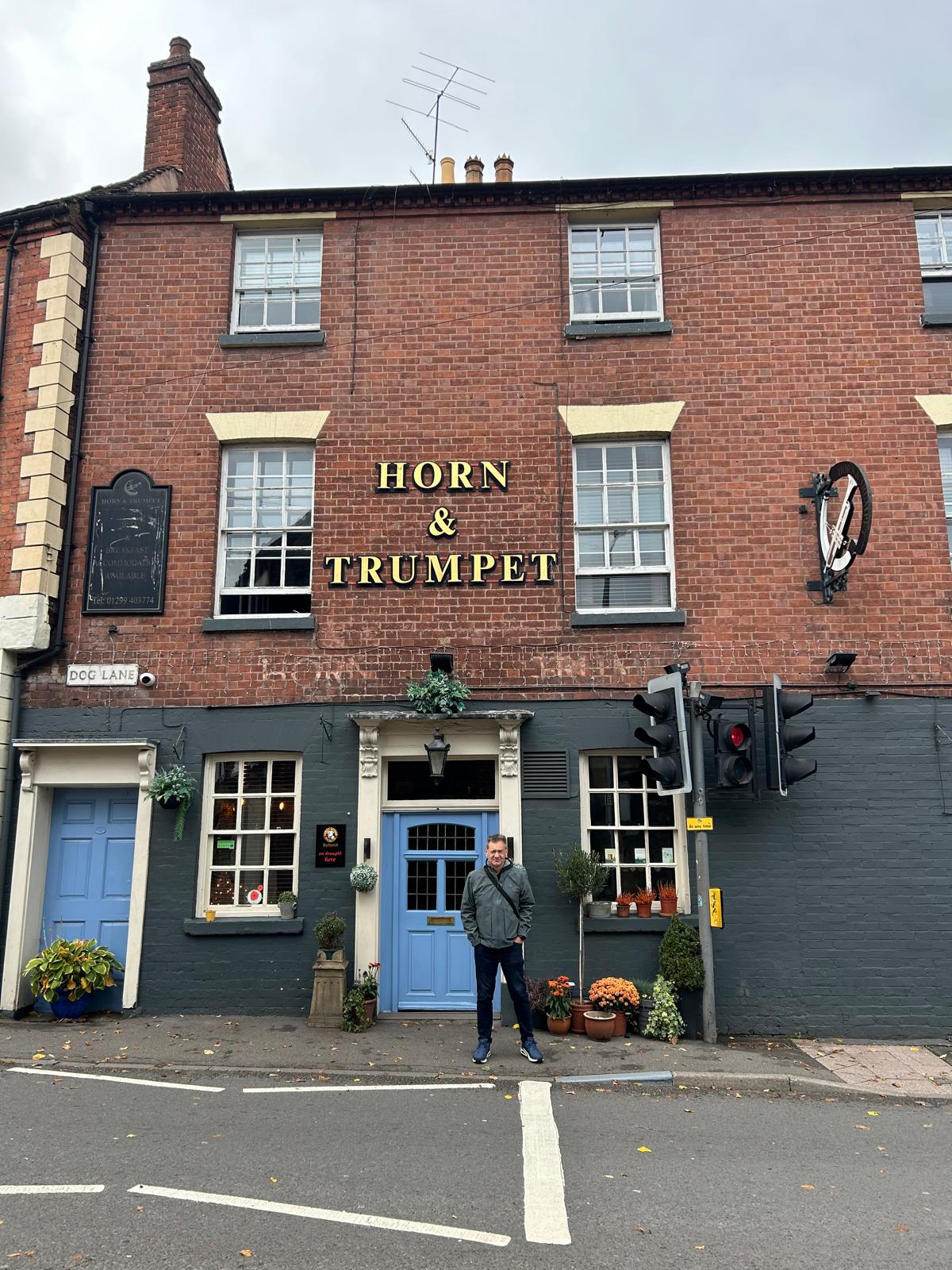
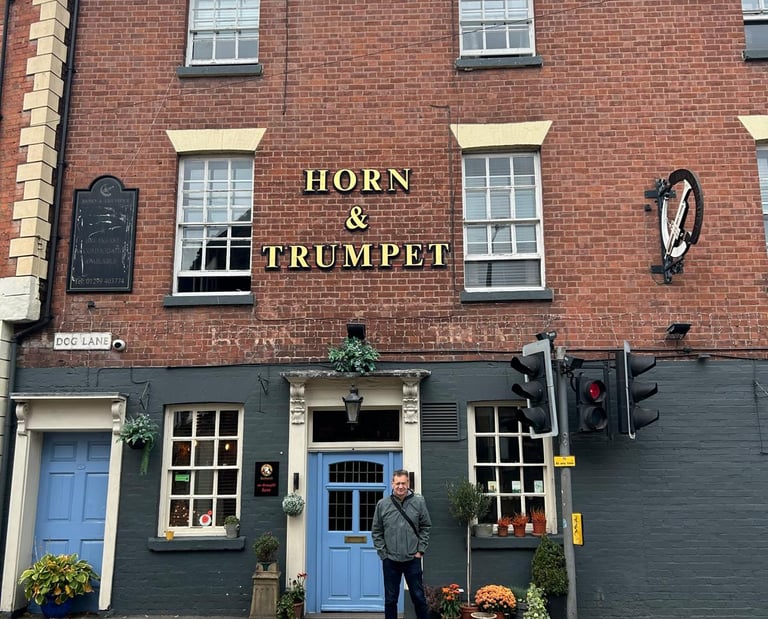
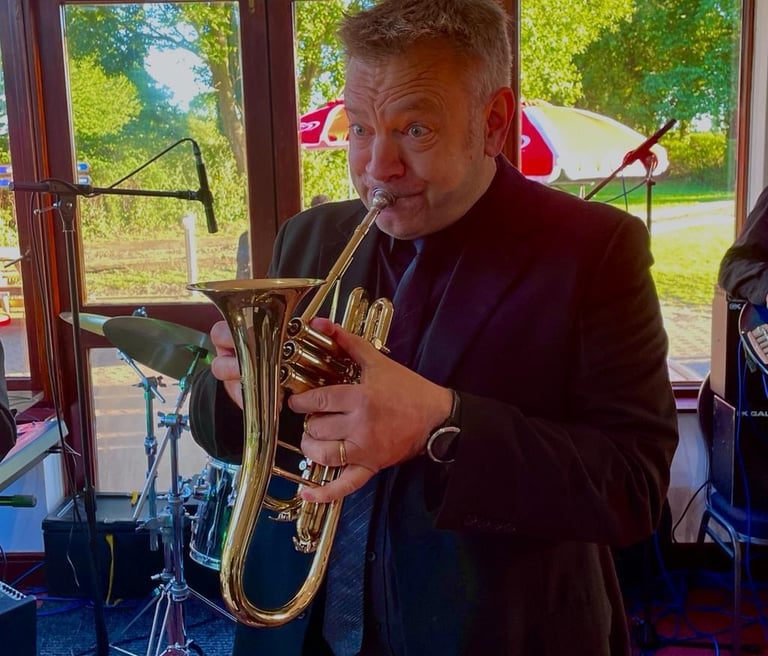
Over the years of collecting, I've learnt a great deal about the how brass instruments work, their requirements and how to maintain them. I've has since taken that further and trained more formally in Brass repair.
Having studied with Trevor Head, President of the National Association of Musical Instrument Repairers, I've developed my skills further and have now set up a workshop to bring expert care to brass instruments.
Given my personal experience and expertise, I focus on smaller brass instruments at present (trumpets, cornets, flugels etc) but as my workshop grows, I hope to look at other brass instruments.
A trumpet fanatic..


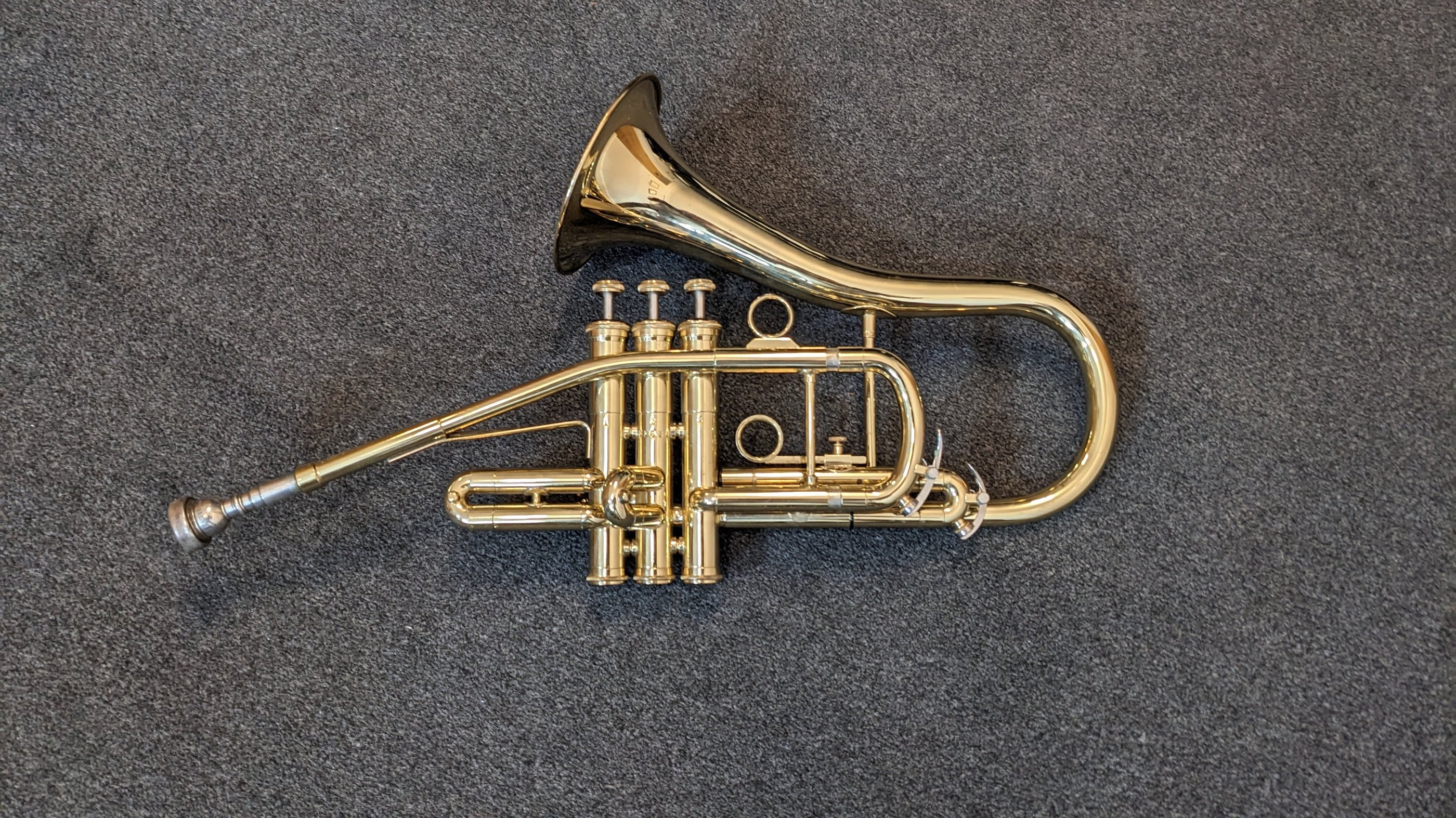


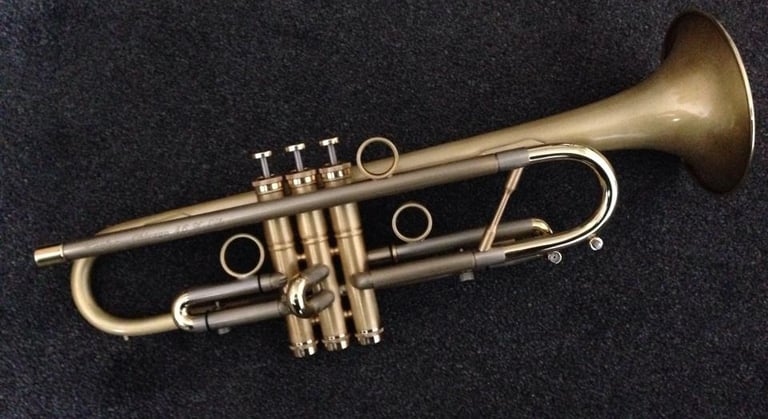
I've collected a significant number of trumpets, cornets and flugelhorns over the years - don't ask how many (particularly in front of my wife). I obviously look after them all myself now - here's a few interesting ones from the collection...
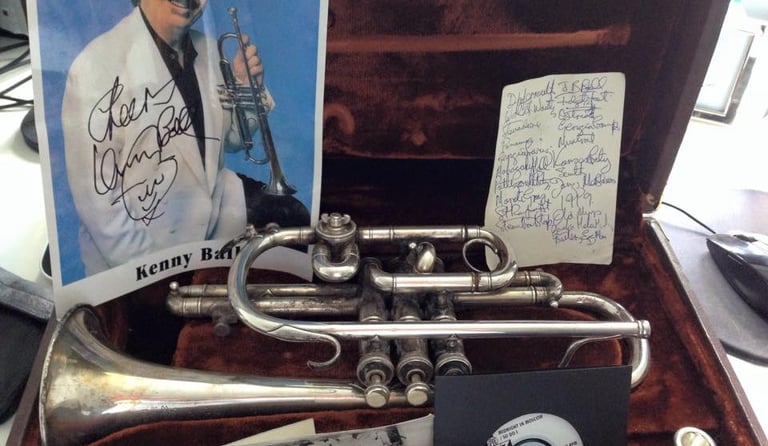
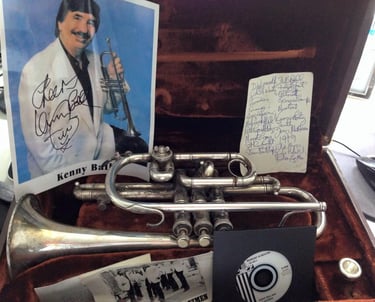
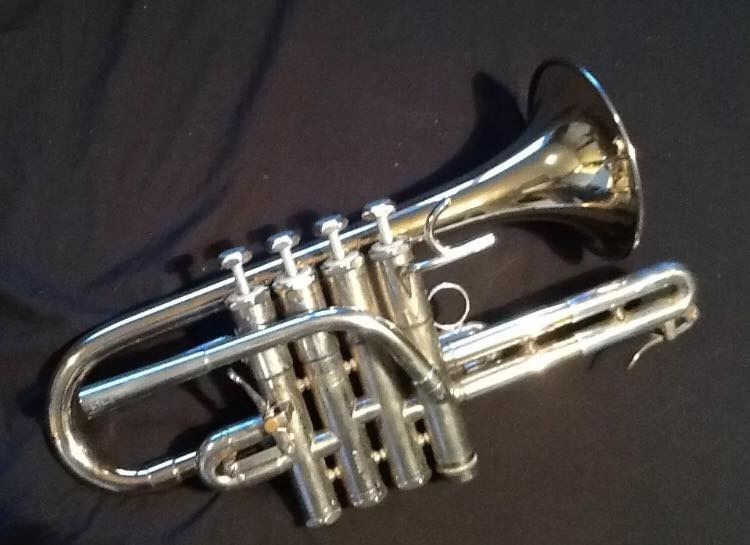
A 1930's Besson Superota cornet, owned by the trad jazz legend Kenny Ball (complete with Kenny's hand written setlists and marketing material). This cornet has a rotary valve that allows you to switch it between the key of Bflat and A - handy if you get an awkward key in a jam session!
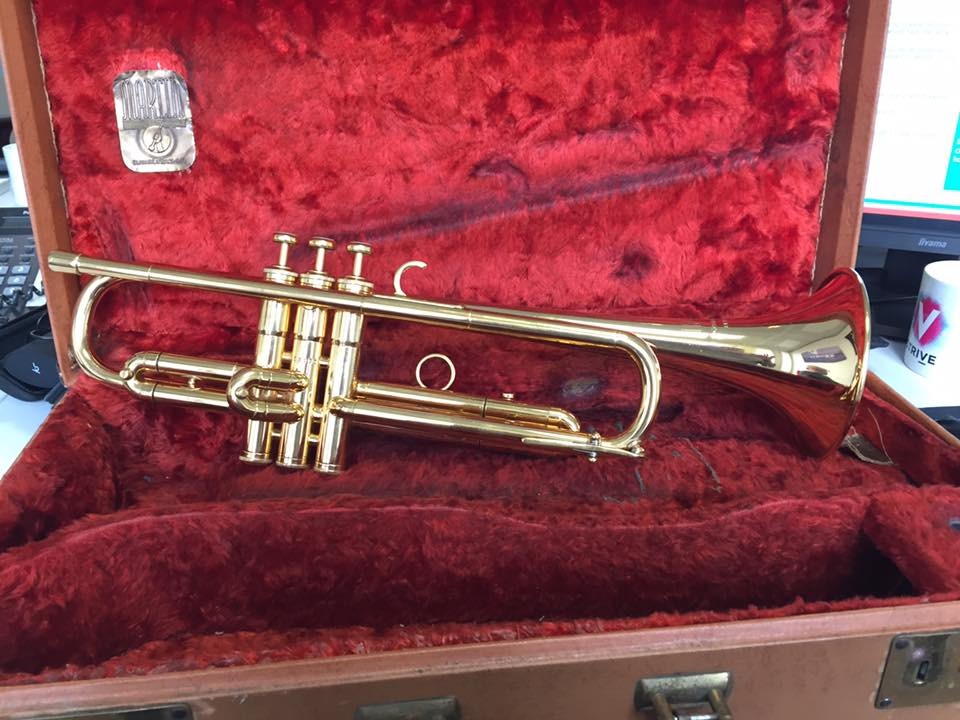
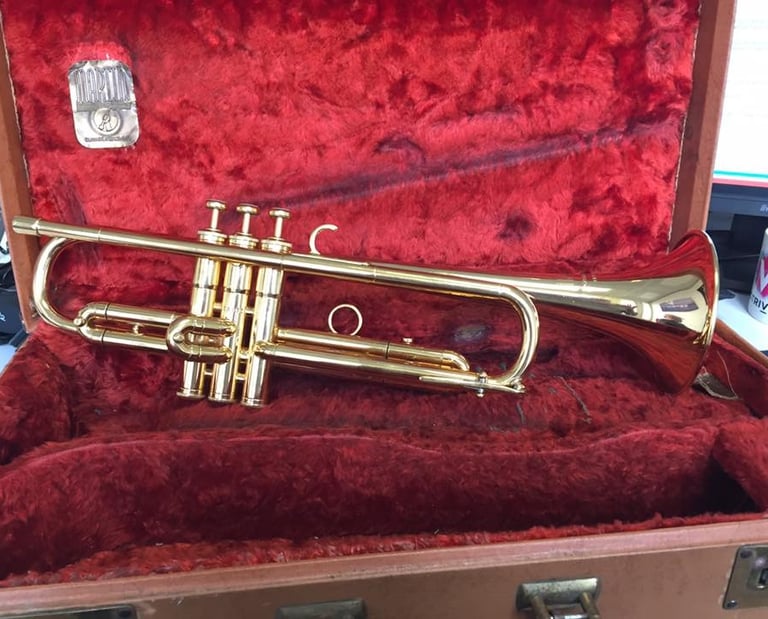
A Martin Committee trumpet - considered the jazz trumpet of choice in the 40s/50s. Played by Miles Davis, Dizzy Gillespie and Chet Baker, it has a really classic, dark sound
A Carol Brass 'pocket trumpet'. A normal B flat trumpet with all of the tubing wrapped tight, so that it's about a third of the length of a normal instrument. It's my 'travel trumpet' for when I need to 'keep my lip in' on holiday!
Nothing fancy here - just an all-time classic. A Besson Sovereign Cornet (Round Stamp). The brass band cornet of choice and just a great instrument with a beautiful sound. You can't beat them.
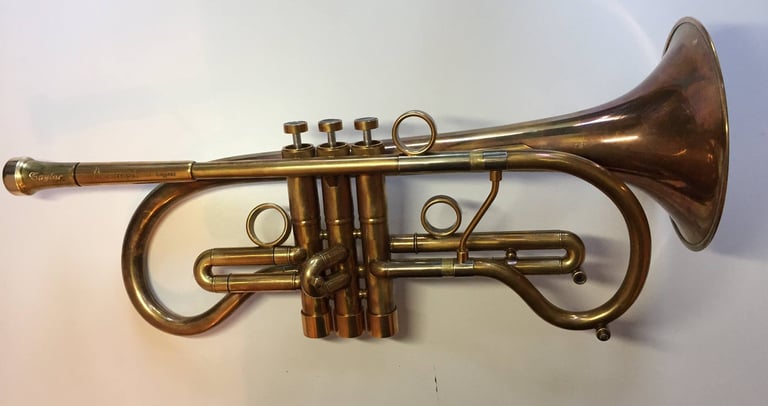
A special custom 'Phrumpet' made by the superb trumpet maker Andy Taylor in Norwich. Also called a 'Flumpet' it's somewhere between a trumpet and flugel. Made famous by the jazz legend Art Farmer, it's great for that mellow, smoky jazz sound.
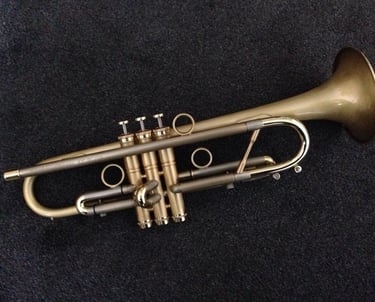
A Taylor Chicago X-Lite trumpet. An absolute beast of a trumpet - capable of screaming lead and quiet jazz. One of my favourites and go-to instruments (and it looks great too)
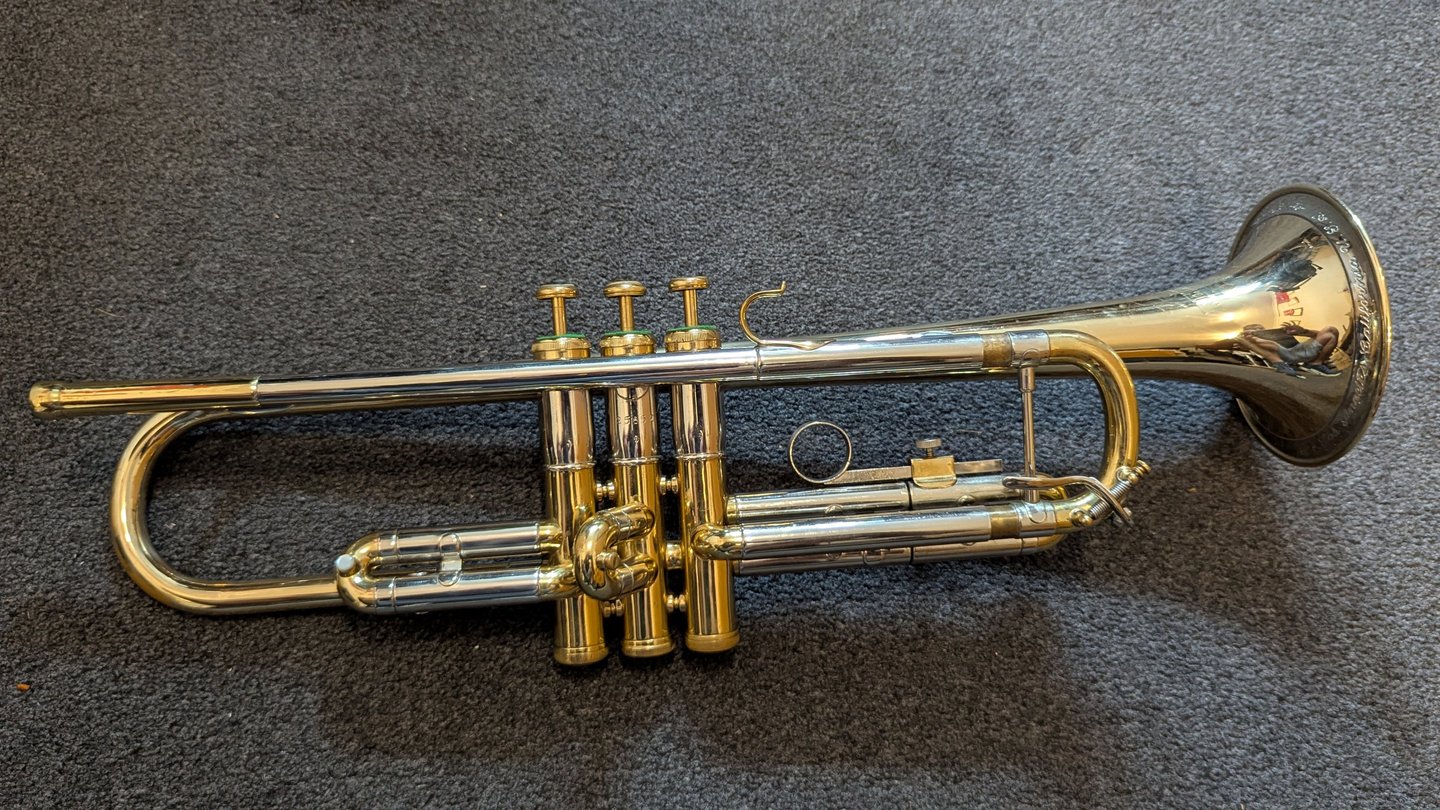
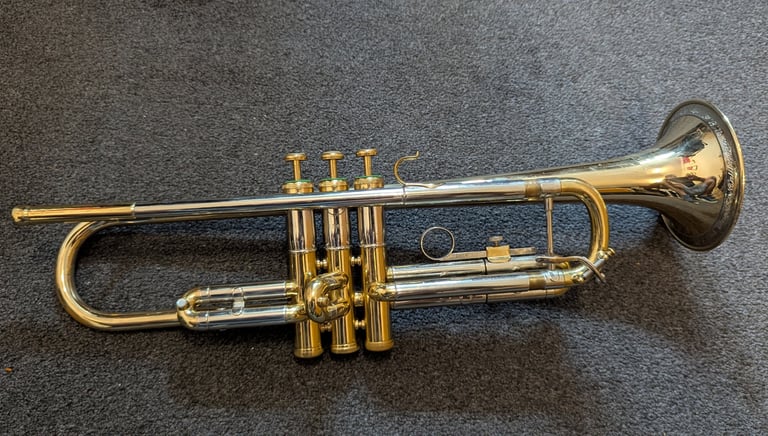
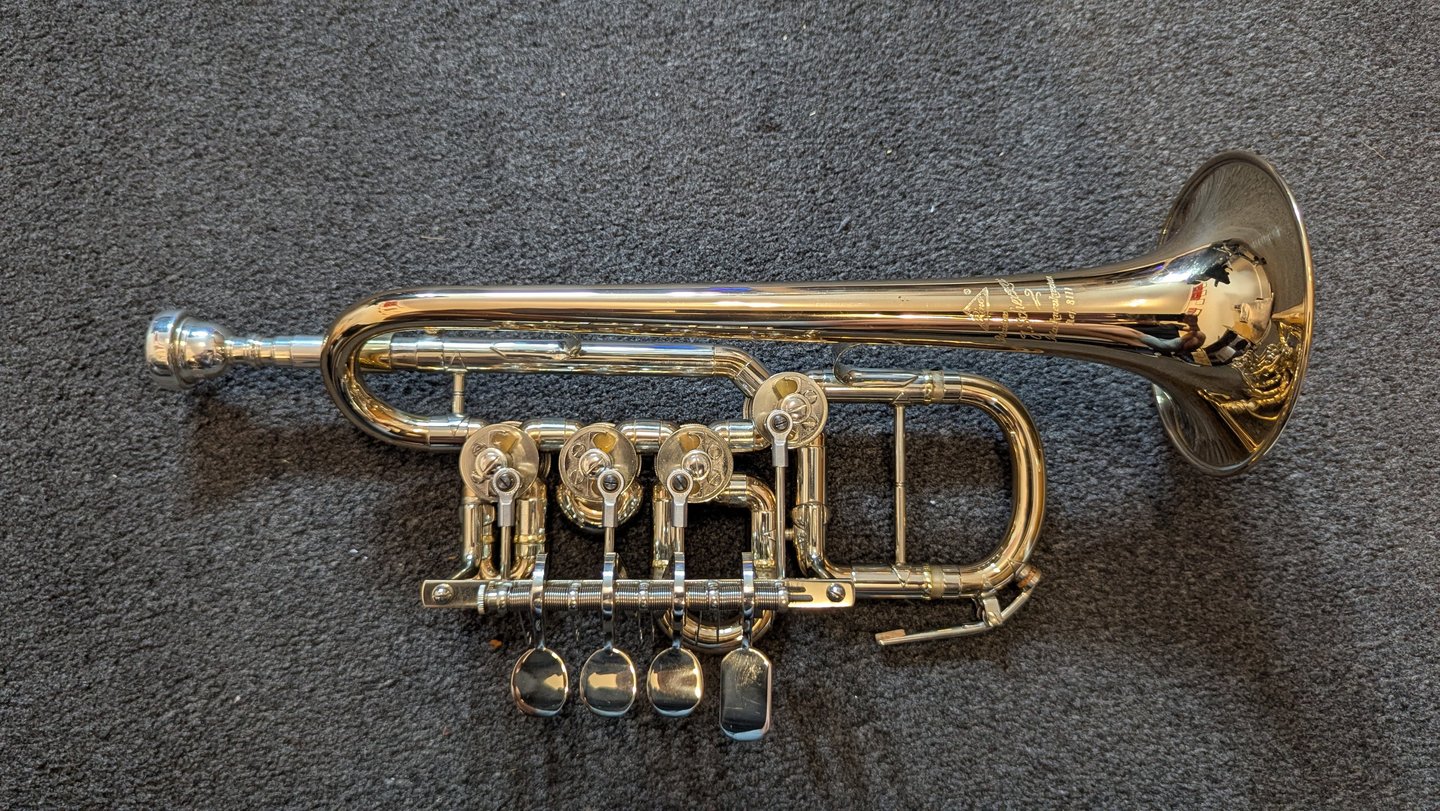
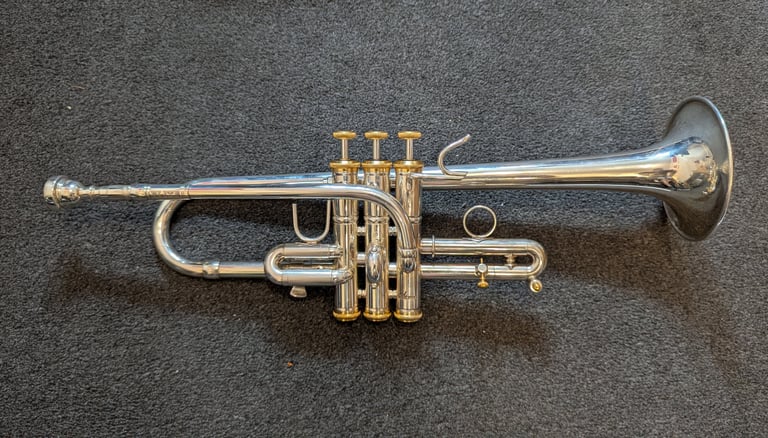
A Getzen 'Jazzophone' - a normal B flat trumpet in every way, except it is shaped like a saxophone. It's actually a really good trumpet (but the sound blows back on you, which is weird). You can see it in action here: https://www.youtube.com/watch?v=8M3J_JhZJXo
A 1947 Olds Super Recording - rare as hen's teeth and a fantastic instrument. Designed for the US film studio players, the valve block is further back on the trumpet (and the second valve set back) for more comfort when playing for long periods.
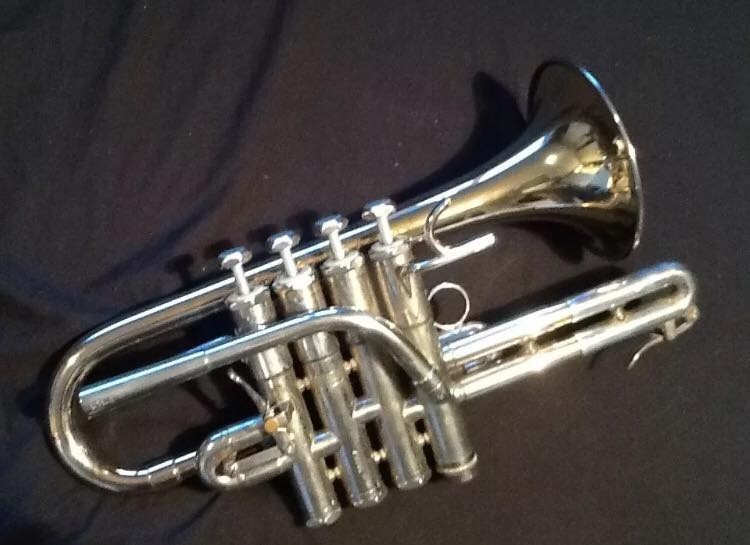
A Schilke G piccolo trumpet - ideal for Italian baroque repertoire (and the Vivaldi double trumpet concerto). A lovely bright sound that is not too cutting - this instrument always comes out at Christmas!
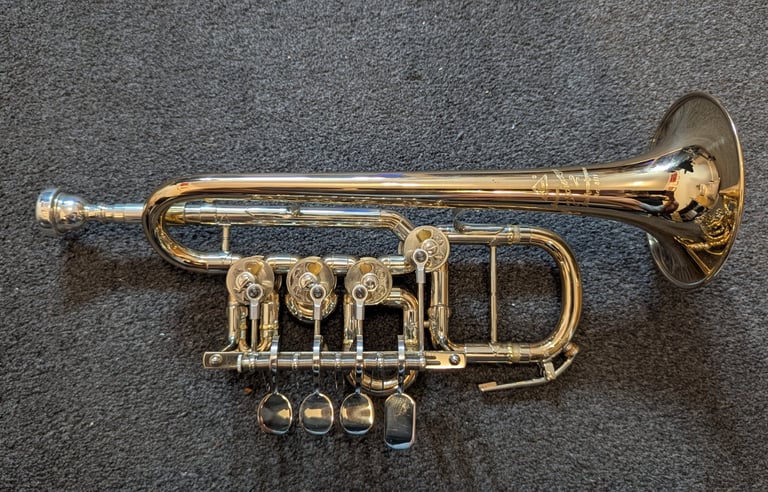
A Scherzer Bflat/A piccolo trumpet. Used for really fast, high and tricky baroque music - as well as the trumpet solo in the Beatles 'Penny Lane'!
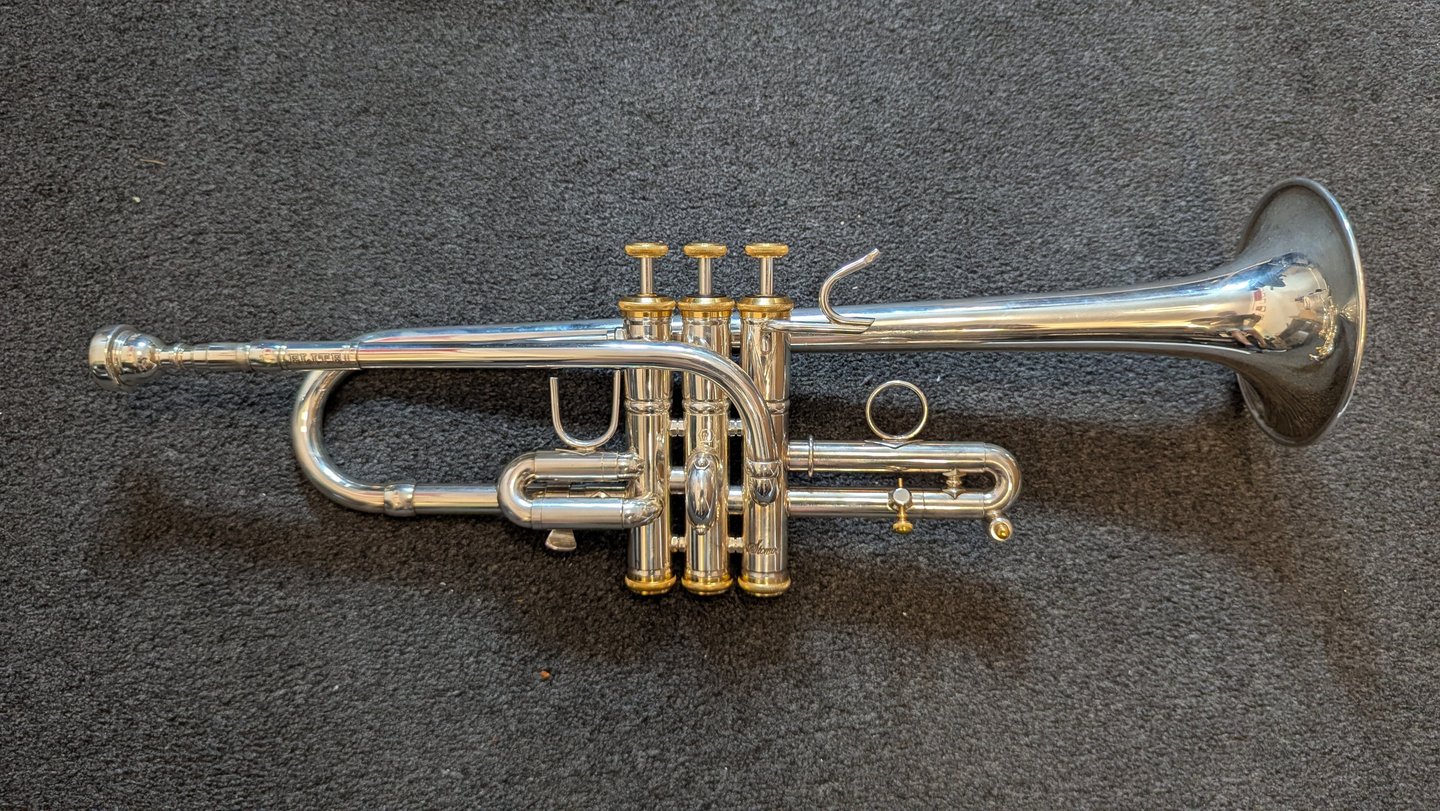
A Stomvi Elite Eflat/D trumpet. An E flat trumpet is an absolute must for the classical player giving you all sorts of flexibility in difficult keys and transpositions. Also used for the lead trumpet parts on some of the epic film themes.
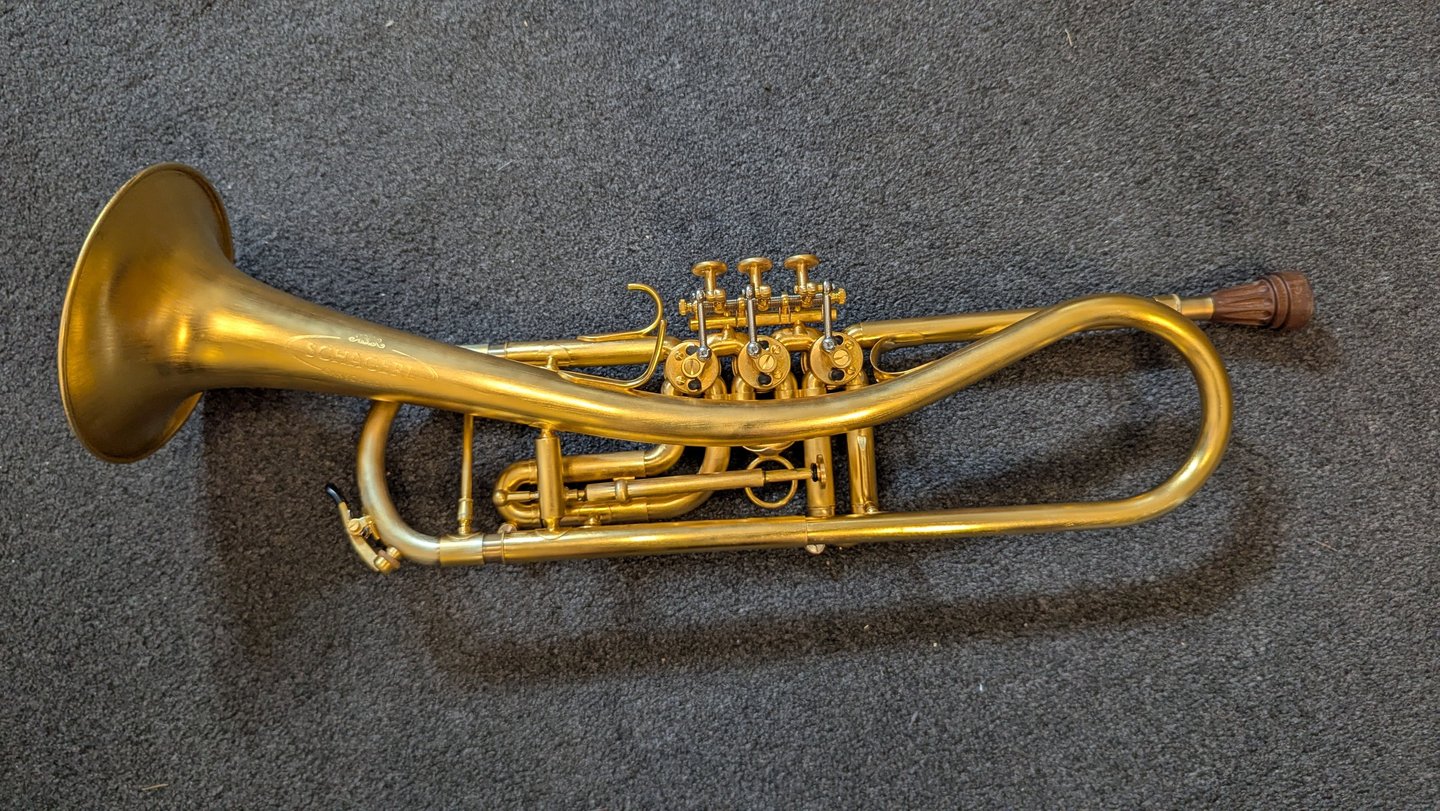
A Gansch Horn - gives you the sound of a classic B flat trumpet (but with the speed of rotary valves). The bell has to bend to allow the rotary valves to fit in (so it can be held vertically). Looks unusual but can be used in any style of music - one of my 'go to' everyday horns.
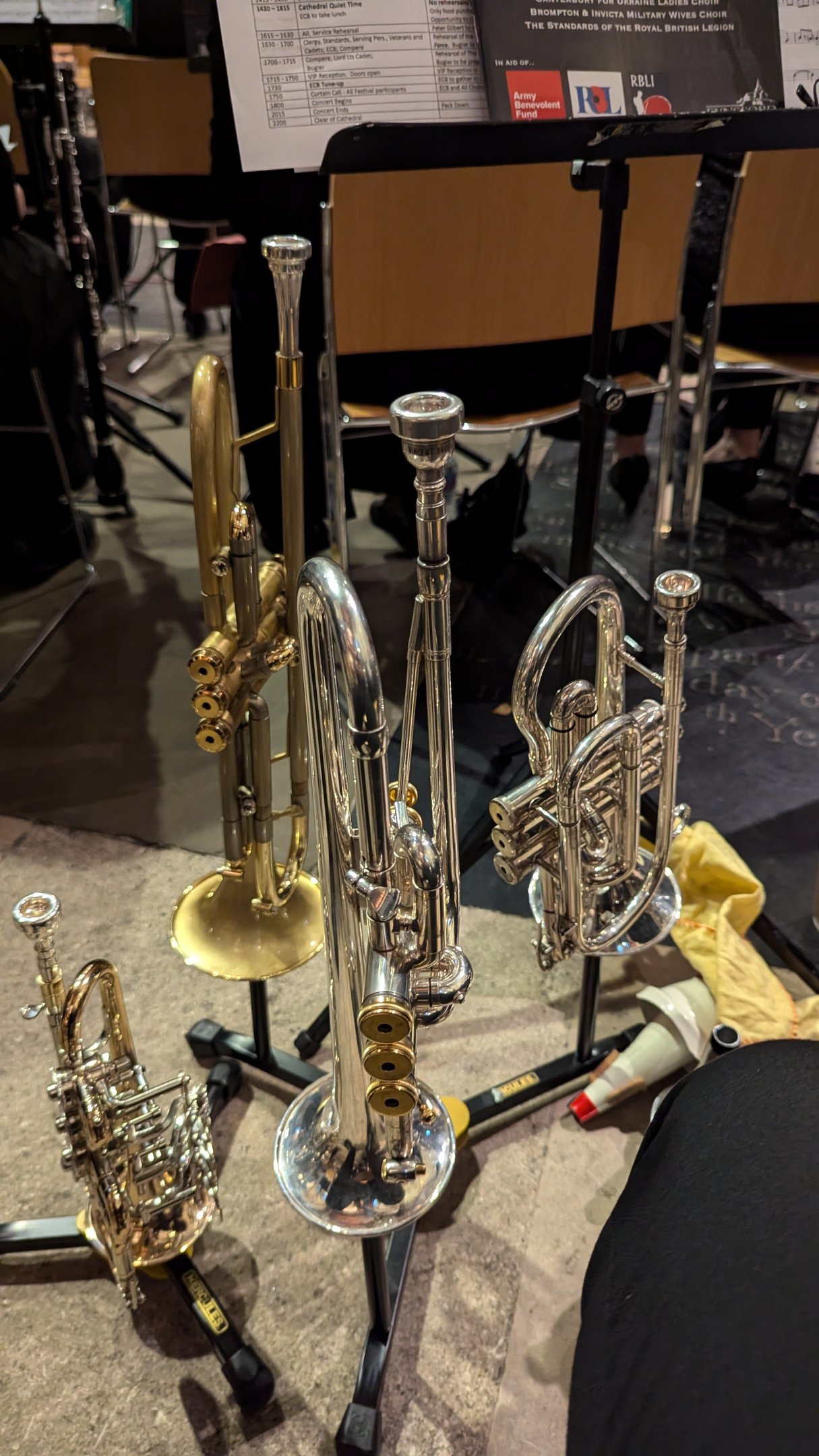
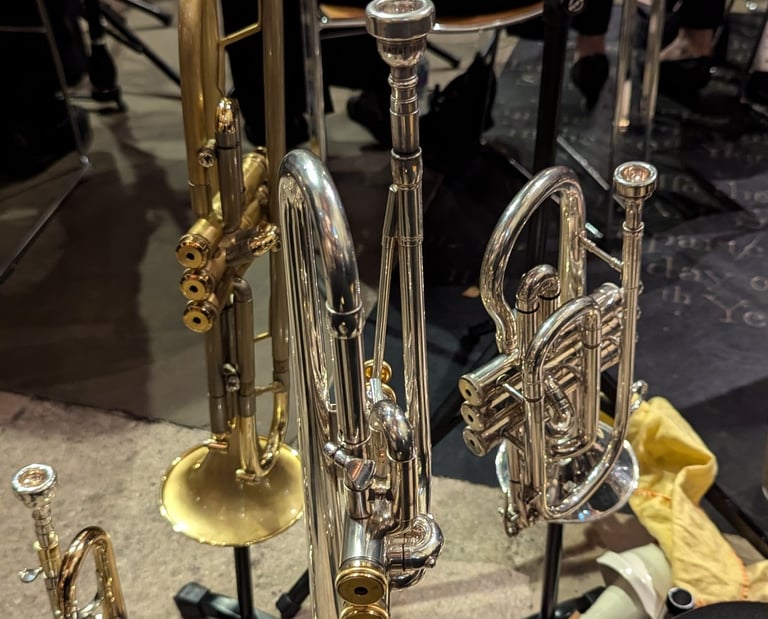
A typical stand for me on a gig - what's the point of collecting them, if you can't play them?!


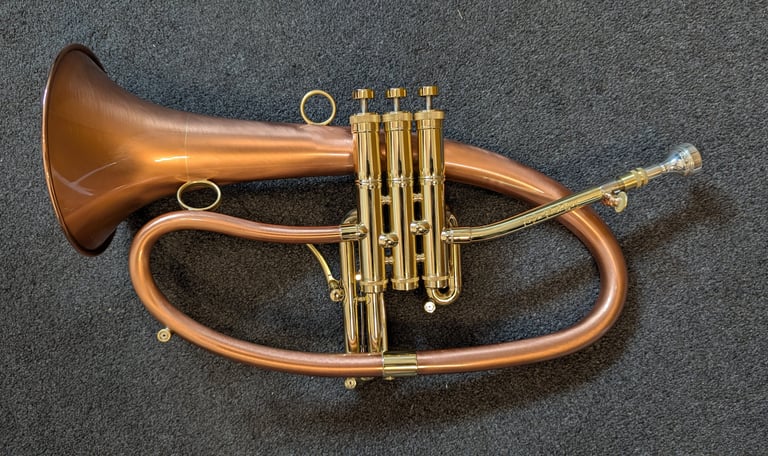
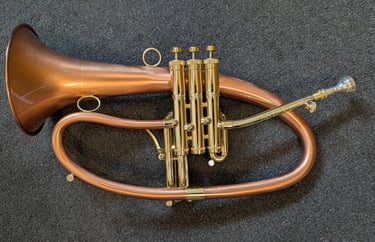
An Eclipse Flugelhorn by the British maker Leigh McKinney. A classic flugelhorn design with a lovely scratched lacquer finish. Works in every situation from jazz to brass band.
A Taylor 'Phat Boy' flugelhorn. The mouthpiece lead pipe on this is angled, so that when you play, the bell is more elevated. This makes it great for playing with a microphone (and looks cool too). Probably not one for the brass band, unless you want some funny looks...
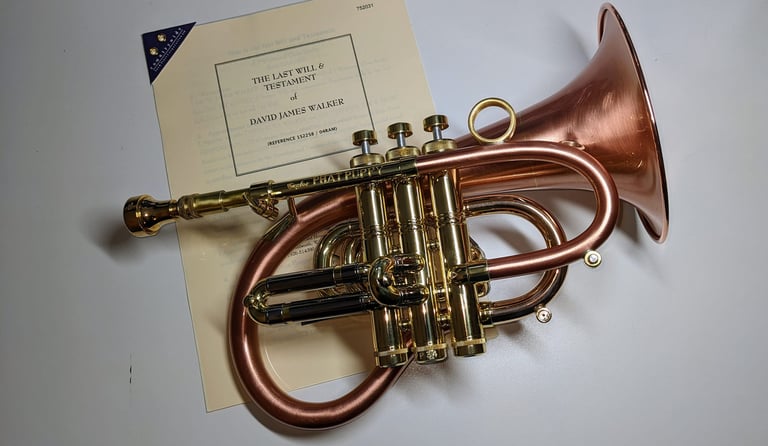
A Taylor 'Phat Puppy' flugelhorn. A more compact flugelhorn, where the tubing has been wrapped more tightly. Great for gigs where you want to save space in the case (plus it sounds exactly the same as a full sized flugel)
Contact: David WALKER
david@brassrevival.co.uk
07703 438900